Ultimate Albania Travel Guide for 2026

Discover the best of Albania for 2026. From the crystal waters of Ksamil to the peaks of the Accursed Mountains, this guide covers everything you need for the perfect trip.

· 7 min read

Introduction

Albania has transformed from one of the most secluded nations on earth into the definitive Mediterranean trendsetter of the mid-2020s. As we look toward 2026, the Land of the Eagles offers a rare combination of accessible luxury, rugged wilderness, and a history that layers Illyrian, Roman, Ottoman, and Cold War narratives into a single experience. This guide provides a comprehensive framework for navigating the country, from the high peaks of the Albanian Alps to the turquoise depths of the Ionian Riviera.

Whether you are a digital nomad seeking the urban energy of Tirana or a hiker looking to challenge the Accursed Mountains, Albania remains one of the few places in Europe where the sense of discovery still feels genuine. In 2026, infrastructure improvements, including the expansion of international flight routes and improved highway connectivity, make it easier than ever to explore regions beyond the coastal hotspots.

Planning Your Arrival: Gateways to Albania

Most international travelers will begin their journey at Mother Teresa Airport in Tirana. In 2026, the burgeoning cruise port in Sarande and the expanded airport in Vlore also serve as strategic entry points. For those coming from Europe, the ferry from Corfu to Sarande remains a scenic and efficient way to reach the southern coast.

Upon arrival, the first thing to understand about Albania is the pace of life. While modernization is rapid, the culture of 'Avash-Avash' (slowly-slowly) persists. For the best experience, we recommend starting in the capital to ground yourself in the country’s complex history before heading to the more remote itineraries found in the north or south.

Tirana: The Vibrant Capital

Tirana is no longer a stopover; it is a destination in its own right. The city has reinvented itself through colorful architecture and a sprawling park system. Start your exploration at Skanderbeg Square, the massive pedestrian heart of the city named after the national hero.

Directly adjacent to the square, you can visit the Pyramid of Tirana, which has been repurposed from a derelict monument to a brutalist dictator into a vibrant tech and cultural hub. For history enthusiasts, the underground bunkers of the communist era are non-negotiable. Bunkart 1, located on the outskirts, focuses on the military history and the lives of the elite, while Bunkart 2 in the city center honors the victims of the secret police.

Nature Within the City

To escape the urban buzz, head to the Grand Park of Tirana, which surrounds a large artificial lake and offers miles of shaded walking paths. For an even more dramatic view, take the Dajti Ekspres cable car up to Mount Dajti inside the Dajti National Park, where you can dine at 1,613 meters while overlooking the entire central plain.

Northern Albania: The Accursed Mountains

For trekkers and nature lovers, the north represents the soul of the country. The city of Shkoder acts as the gateway to the mountains and is one of the oldest cities in Europe. Its Rozafa Castle offers panoramic views of the meeting point of three rivers and the largest lake in the Balkans.

The Peaks of the Alps

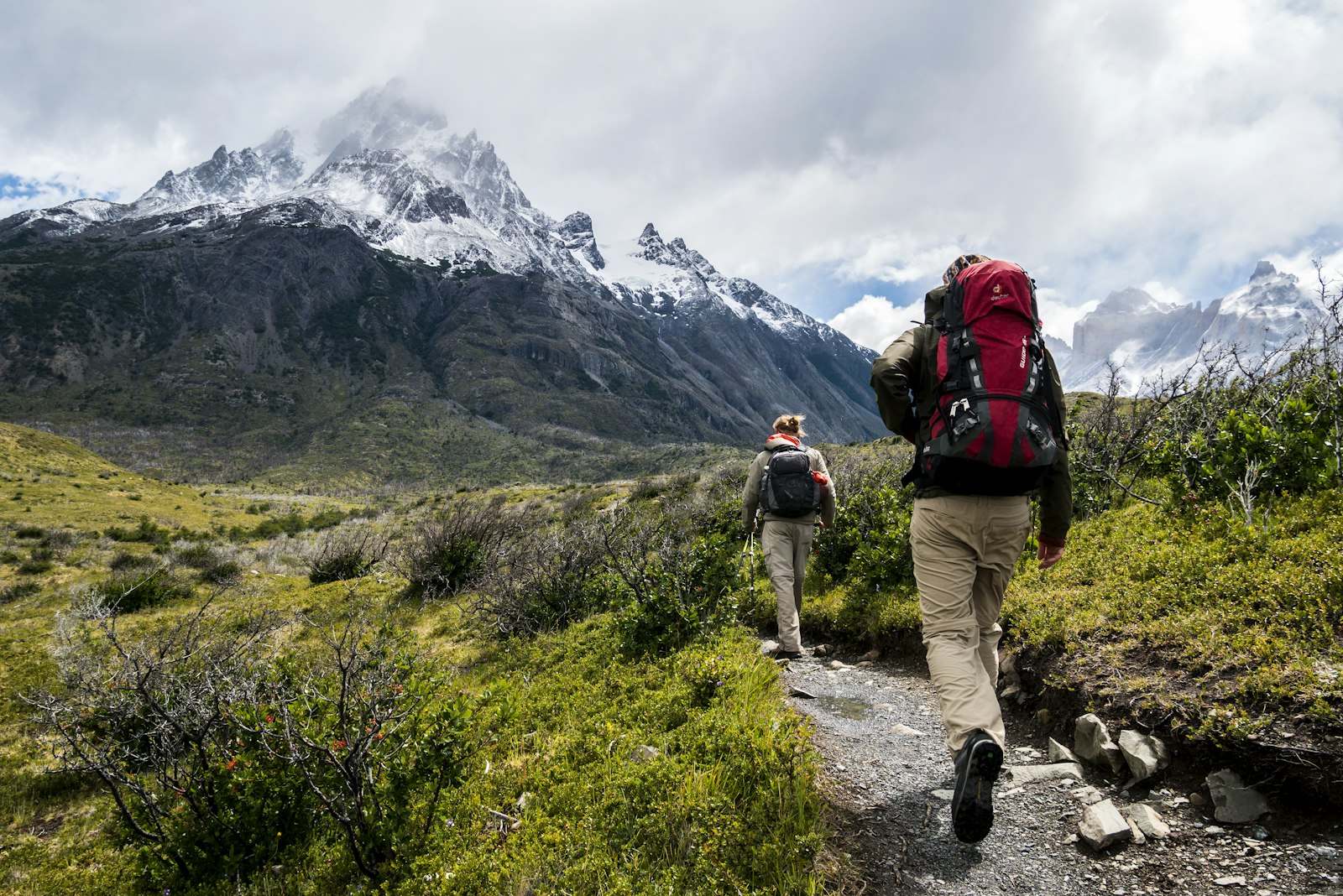
From Shkoder, most travelers head into the heart of the Albanian Alps. Theth is a village that feels frozen in time, though it has seen significant investment in guesthouses. The hike from Theth to Valbona Valley is the most famous mountain pass in the country, a six-to-eight-hour trek through limestone peaks and lush alpine meadows.

Water and Wilderness

  • Blue Eye of the North: Not to be confused with the southern spring, this glacial pool near Theth is accessible via a moderate hike.
  • Koman Lake Ferry: Often described as one of the world's most beautiful boat rides, this ferry connects the central north to the mountain regions.

The Ottoman Heritage: Berat and Gjirokaster

Two of Albania's most significant cultural treasures are the UNESCO World Heritage towns of Berat and Gjirokaster. Both offer a glimpse into the Ottoman past through impeccably preserved architecture.

Berat, known as the 'City of a Thousand Windows,' is split by the Osum River. The Mangalem and Gorica quarters face each other with rows of white Ottoman houses climbing the hillside. High above sits the Berat Castle, a massive fortress that is still inhabited today.

Gjirokaster, the 'City of Stone,' is the birthplace of the long-time dictator Enver Hoxha and the world-renowned author Ismail Kadare. The town is famous for its slate-roofed houses and its sprawling citadel, which houses a collection of tanks and a former prison. It is also a prime base for visiting the Blue Eye, a mesmerizing natural spring of deep blue water that bubbles up from an unexplored depth.

The Albanian Riviera: Sun, Sand, and Sea

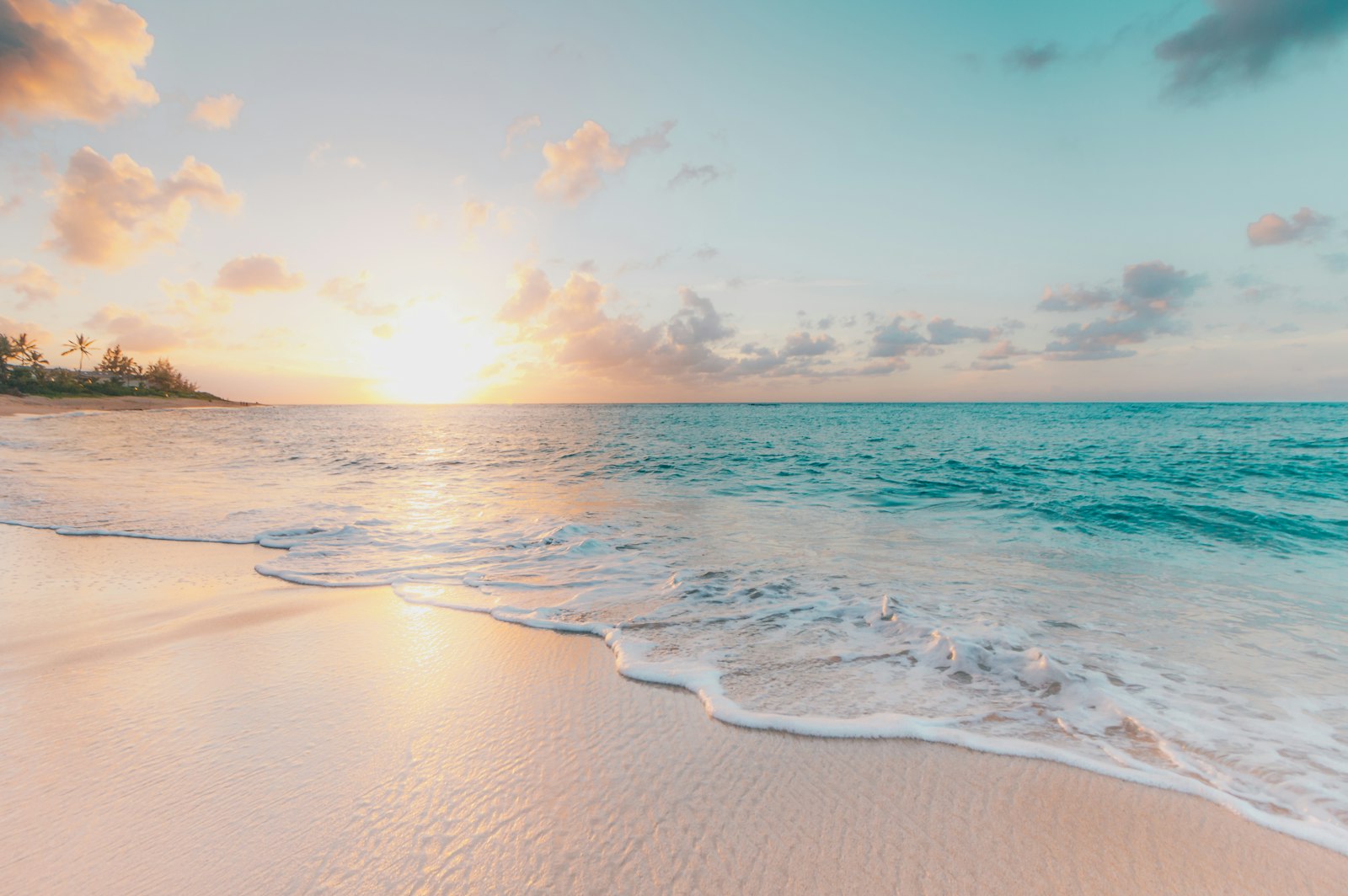
The coast of Southern Albania is where you will find the Mediterranean’s clearest waters. While beaches here have become more popular, there are still pockets of seclusion if you know where to look.

Beaches and Coastal Towns

  1. Ksamil: Famous for its three small islands that you can swim or boat to. It is the most photographed spot in the country but can be very crowded in July and August.
  2. Sarande: The unofficial capital of the south, offering a high-energy boardwalk, numerous hotels, and a gateway to the nearby ruins of Butrint.
  3. Dhermi: Preferred by a younger, chicer crowd, Dhermi is known for its long pebble beaches and boutique hotels perched on the cliffs.
  4. Himara: A more laid-back alternative to Sarande, perfect for families and those who want to experience the local Greek-influenced cuisine of the region.

The Llogara Pass

To reach these coastal gems from the north, one must drive through the Llogara Pass. This mountain pass reaches over 1,000 meters above sea level before dropping sharply toward the Ionian Sea. The view from the top is one of the most iconic sights in the Balkans.

Historical Landmarks and Archaeological Sites

Albania's history spans millennia, and several archaeological parks are mandatory for history buffs. Outside of the major cities, two sites stand out:

  • Butrint: Situated near Ksamil, this UNESCO site contains ruins from the Greek, Roman, Byzantine, and Venetian periods, all set within a lush national park.
  • Apollonia: Located near Fier, this site was once a major Greek colony and a center of learning where the Roman Emperor Augustus once studied.
  • Kruje Castle: Located in the town of Kruje, this was the headquarters of Skanderbeg's resistance against the Ottomans and remains a site of immense national pride.

Navigation and Transportation

Navigating Albania in 2026 requires understanding the local logic. While the bus system (furgons) is the most common way for locals to travel, renting a car is highly recommended for tourists to reach the rankings of top hidden gems.

Transport ModeBest ForProsCons
Rental CarFlexibilityReach remote villagesAggressive local driving style
Furgon (Minibus)Low BudgetAuthentic experienceNo fixed schedules, localized hubs
Private TransferComfortStress-freeMost expensive option
FerryCoastal/Lake TravelStunning viewsWeather dependent

Seasonal Advice: When to Visit

Choosing the right time to visit is crucial for your experience. Check our detailed guide on seasons for month-by-month weather breakdowns.

  • Spring (April - June): Ideal for hiking and exploring Tirana and Berat without the heat. The wildflowers in the Alps are spectacular.
  • Summer (July - August): High season on the Riviera. Expect high prices in Ksamil and crowded beaches. This is the peak time for festivals.
  • Autumn (September - October): The 'sweet spot.' The sea is still warm enough for swimming, but the crowds have dispersed, and the harvest season brings incredible food to the agrotourism farms in the north.
  • Winter (November - March): Quiet and cold. A great time for a city break in Tirana or skiing in the Korce region.

Culinary Exploration and Agrotourism

Albanian food is a celebration of fresh, organic ingredients. From the slow-cooked lamb of the mountains to the seafood of the Ionian, the culinary landscape is diverse.

Don't miss 'Tave Kosi' (baked lamb with yogurt) or 'Flija' (a layered pancake-like dish common in the north). In recent years, agrotourism farms have become major attractions. Places like Mrizi i Zanave near Lezhe have put Albania on the global food map by focusing on traditional techniques and forgotten ingredients collected from local villagers.

Final Tips

  1. Currency: Albania uses the Lek (ALL). While cards are becoming more common in Tirana and major resorts, cash is still king in rural areas.
  2. Language: Shqip is the national language. English is widely spoken by the youth, while older generations may speak Italian or Greek.
  3. Hospitality: The concept of 'Besa' (a code of honor) means that guests are treated with the utmost respect. Don't be surprised if locals offer you coffee or help without expecting anything in return.
  4. Stay Connected: Buy a local SIM card at the airport; they are cheap and offer generous data packages.
  5. Water: In most cities, it is recommended to drink bottled or filtered water, though mountain springs in the north are usually pristine.

For more detailed maps and location data, visit our map page or browse our latest blog updates for real-time travel alerts.

Frequently asked questions

Is Albania safe for solo travelers?
Yes, Albania is considered one of the safest countries in Europe for both solo and female travelers, with very low rates of violent crime against tourists.
What is the best way to get around Albania?
Renting a car is the most efficient way to see the country, as public transport can be slow and does not reach many of the best natural sites.
How many days do I need in Albania?
To see both the mountains in the north and the beaches in the south, a minimum of 10 to 14 days is recommended.
Is Albania expensive for tourists?
Compared to neighboring Italy or Greece, Albania is very affordable, though prices in hotspots like Ksamil are rising in the peak summer months.
Do I need a visa for Albania?
Citizens of the EU, USA, UK, and Canada can enter Albania visa-free for up to 90 days within a 180-day period.
What is the best beach in Albania?
While Ksamil is the most famous, many frequent visitors prefer the more spacious and rugged beaches of Dhermi or the hidden coves near Himara.

Related articles