Albania in Spring: Wildflowers, Hiking & Weather

Discover the magic of Albania in spring. From blooming wildflowers and powerful waterfalls to perfect hiking temperatures and fewer crowds, find out why March-May is the best time to visit.

· 8 min read

Introduction

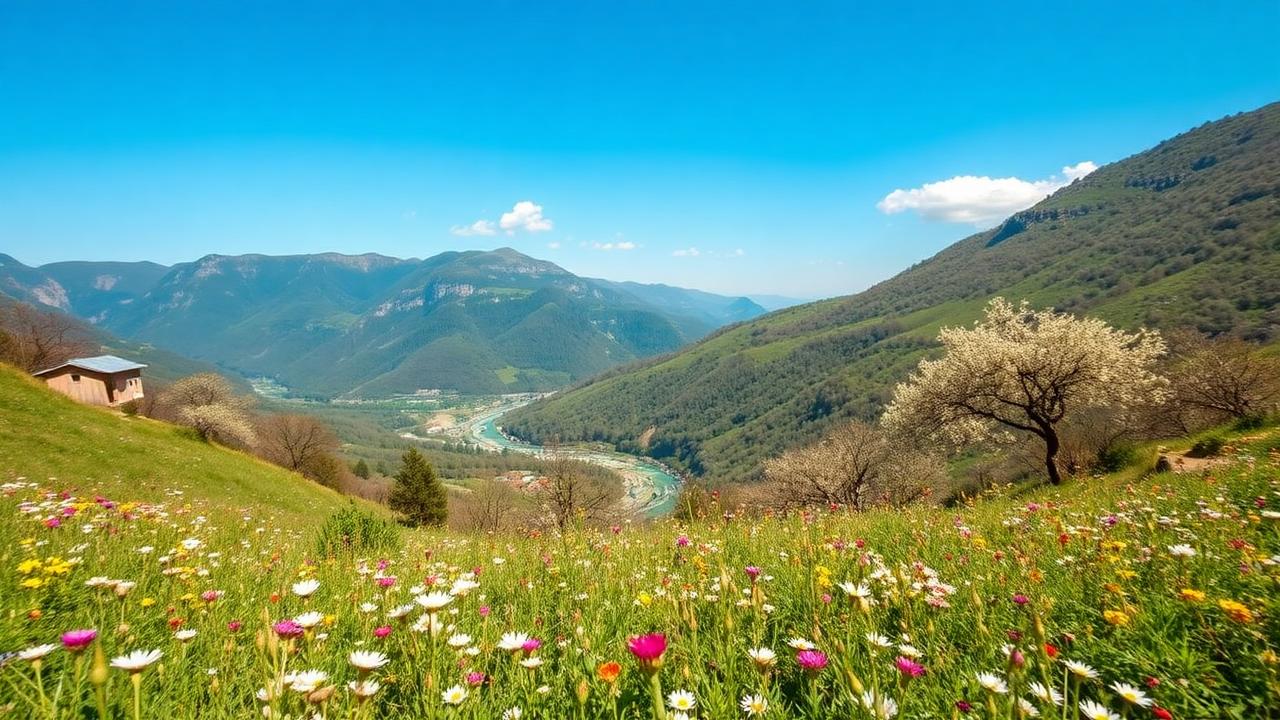
Spring in Albania is widely considered the "Goldilocks" season by seasoned travelers and locals alike. From March through May, the country undergoes a dramatic transformation. The snow caps of the Albanian Alps begin to melt, feeding crystal-clear rivers, while the coastal plains and inland valleys are carpeted in an explosion of Mediterranean wildflowers. Unlike the scorching heat of July and August, spring offers a mild climate perfect for active exploration, cultural immersion, and photography.

Traveling to Albania during this window allows you to experience the country's most iconic sites without the crowds. Whether you are trekking the high passes between Theth and Valbona Valley, exploring the ancient ruins of Butrint, or enjoying a coffee in the bustling Shkoder, spring provides a sense of exclusivity and tranquility. This guide provides a deep dive into everything you need to know about visiting Albania in spring, from weather patterns to the best hiking trails and seasonal festivals.

Weather and Climate Patterns

The weather in Albania during spring is characterized by its variability and rapid warming. Because Albania features a diverse topography—ranging from 2,700-meter peaks to sea-level coastal plains—conditions can vary significantly by region.

March: The Balancing Act

March is the transition month. In Tirana, daytime temperatures hover around 15°C (59°F), while the mountains still hold onto winter. This is the wettest of the spring months, but the rain showers are usually brief and followed by brilliant sunshine. It is a fantastic time for city breaks and visiting indoor museums like BunkArt 1.

April: The Bloom

April is when the country truly awakens. Temperatures rise to a comfortable 18-20°C (64-68°F). This is the peak month for wildflowers, including wild orchids and poppies. The Llogara Pass becomes a lush green gateway to the south, and the air is filled with the scent of blossoming citrus and olive trees.

May: Pre-Summer Perfection

May is arguably the best month to visit. With temperatures reaching 23-25°C (73-77°F), it is warm enough for beach days in Ksamil or Himara without the humidity of summer. The mountain passes in the north are usually clear of snow by mid-to-late May, opening up the legendary peaks for hikers.

FeatureMarchAprilMay
Avg Temp (C)10-15°C15-20°C20-25°C
RainfallHighModerateLow
CrowdsVery LowLowModerate
Best ForMuseums/CultureWildflowers/HikingBeaches/Trekking

Top Regions to Visit in Spring

The Albanian Riviera

While most tourists flock to the coast in August, spring offers a different charm. Dhermi and Sarande are peaceful, and the water—though brisk—is incredibly clear. This is the perfect time to visit Blue Eye (Syri i Kalter) near Sarande, as the surrounding forest is vibrant and the water flow is at its peak volume due to snowmelt.

The Ottoman Stone Cities

Gjirokaster and Berat are far more enjoyable in the spring. These cities involve a lot of walking on steep, cobblestone streets. Doing this in 35°C summer heat can be grueling, but in the 20°C spring air, it is a delight. The "City of a Thousand Windows" (Berat) looks stunning when viewed from across the Osum River, with the greenery of the hills contrasting against the white Ottoman houses.

Northern Highlands

For those interested in the wild north, spring is a time of dramatic waterfalls. Near Shkoder, the gateway to the Alps, you can witness the massive influx of water into Lake Shkoder. If you head toward Theth, you will see the Grunas Waterfall at its most powerful.

Spring Flora and Fauna

Albania is a biodiversity hotspot. In spring, the Llogara Pass and the surrounding national parks become a theater for nature lovers. You will find endemic species of tulips in the north and vast fields of red poppies near the archaeological site of Apollonia.

Birdwatching is also a premier spring activity. The Vjose-Narte Protected Area and the Karavasta Lagoon see thousands of migratory birds, including the rare Dalmatian Pelican. The wetlands near Durres are vital stops on the Adriatic flyway, making spring the optimal time for ornithologists to visit.

Hiking and Outdoor Adventure

Spring is the undisputed champion of hiking seasons in Albania. Before the mountain heat becomes oppressive, the trails are cool and the soil is damp but firm.

Theth to Valbona Hike

This is the crown jewel of Albanian trekking. While the highest part of the pass might remain snow-covered until late May, the lower trials in Valbona Valley are accessible earlier. Hiking through the valley in spring means walking through meadows of alpine flowers with views of jagged, snow-dusted peaks above.

Osumi Canyons

Located near Berat, the Osumi Canyons are best experienced in spring. This is the only time of year when the water levels are high enough for rafting but safe enough for exploration. The canyon walls feature numerous seasonal waterfalls that dry up by mid-summer, making a spring visit essential to see the canyon in its full glory.

Mount Dajti

For those staying in the capital, Mount Dajti offers a quick escape. Taking the cable car up to Dajti National Park in April provides a panoramic view of a greening Tirana. There are numerous easy-to-moderate trails at the summit that are perfect for a spring afternoon.

Cultural Events and Festivals

Spring is a season of celebration in Albania, blending pagan traditions with modern festivals. Visiting during these events provides deep insight into the local psyche.

Dita e Veres (Summer Day)

On March 14th, Albania celebrates Dita e Veres. Despite the name, it is a pagan spring festival marking the end of winter. While the center of the celebration is Elbasan, Tirana hosts massive festivities. People wear "Verore" (braided red and white bracelets) and eat "Ballokume," a large traditional cookie. Skanderbeg Square and Grand Park Tirana come alive with concerts and street food.

Orthodox and Catholic Easter

As a country known for religious harmony, Easter is widely respected. If you are in Korce or Gjirokaster, you can witness beautiful candlelight processions. The traditional roast lamb prepared during this time is a culinary highlight.

South Outdoor Festival

Usually held in late April or May, this festival in the southern villages (often near Borsh) celebrates outdoor sports, music, and food. It is an excellent way to meet fellow travelers and experience the hospitality of the Riviera.

Spring Gastronomy

Albanian cuisine is fiercely seasonal. In the spring, menus shift away from heavy winter stews to fresh, green produce. You should look for:

  1. Tave Kosi: Though available year-round, the spring lamb used in this yogurt-based bake is particularly tender.
  2. Wild Asparagus: Often foraged in the hills near the coast, it is served sautéed with olive oil.
  3. Byrek with Wild Greens: Look for byrek stuffed with spinach, nettles, or local wild herbs.
  4. Fresh Loquat: Known as "Nespula," these yellow fruits appear in May and are a sweet sign that summer is approaching.

For a complete culinary journey, check our blog for regional food guides.

Suggested 7-Day Spring Itinerary

This itinerary balances culture, nature, and the coast to capture the best of the season. For more detailed routes, visit our itineraries page.

  • Day 1: Arrival in Tirana. Explore Skanderbeg Square and walk through Grand Park Tirana as the cherry blossoms bloom. Dinner in the Blloku area.
  • Day 2: Kruje and Shkoder. Head north to Kruje Castle for history, then continue to Shkoder. Enjoy a sunset bike ride along the lake.
  • Day 3: The Northern Alps. A day trip to the gateway of Theth. Witness the spring melt in the mountain streams.
  • Day 4: History and Heritage. Drive south to Berat. Sunset walk through the Mangalem and Gorica quarters.
  • Day 5: The Stone City. Travel to Gjirokaster. Visit the castle and the cold-war tunnel. The silver roofs shine exceptionally well under the soft spring sun.
  • Day 6: The Blue Eye and Riviera. Visit Blue Eye and then head to Sarande. Drive up the coast through Himara and Dhermi.
  • Day 7: Llogara and Departure. Cross the Llogara Pass for incredible views of the Ionian Sea before returning to Tirana via Vlore.

What to Pack for Spring

Layering is the key to a successful spring trip in Albania. The weather can transition from a cool morning mountain breeze to a warm afternoon coastal sun within a few hours.

  • Windbreaker/Rain Jacket: Essential for March and April showers.
  • Sturdy Hiking Boots: Especially if you plan to visit Theth or Valbona Valley, as trails can be muddy.
  • Sun Protection: The sun at high altitudes and on the coast is stronger than it feels.
  • Versatile Clothing: Light cotton for the day and a medium-weight fleece for the evenings.
  • Swimwear: If you are visiting in May, the Ionian coast will be tempting for a quick dip.

Check out our rankings of the best gear for Balkan travel if you need specific recommendations.

Why Spring Beats Summer

While summer is the peak tourist season, spring offers several practical advantages:

  1. Lower Prices: Accommodation in Sarande and Ksamil can be up to 40% cheaper than in August.
  2. Photography: The air is clearer in spring, whereas summer often brings a hazy humidity that can obscure mountain views.
  3. Availability: You don't need to book months in advance for top-rated guesthouses in Theth or boutique hotels in Tirana.
  4. Local Interaction: Locals are generally more relaxed and have more time to chat before the frantic pace of the summer season begins.

To see where these locations sit geographically, view our map of the country.

Final Tips

  • Check Trail Reports: If you are a serious hiker, always check if the high passes (like Valbona to Theth) are open, as heavy winters can keep snow on the ground until early June.
  • Cash is King: While Tirana is becoming more digital, smaller villages in the mountains still operate primarily on cash (Lek).
  • Rent a Car: To see the wildflowers and remote canyons, renting a car is highly recommended. The roads to Llogara Pass are in excellent condition and offer world-class views.
  • Respect the Mountains: Spring weather can change rapidly. Always inform your guesthouse of your hiking plans.
  • Visit the Markets: Spring produce markets in cities like Korce and Berat are a highlight—don't miss the fresh herbs and artisanal cheeses.

Frequently asked questions

Is Albania good to visit in March?
Yes, March is excellent for a cultural and city-focused trip. While it can be rainy, the lower prices and lack of crowds in places like Tirana and Berat make it very rewarding.
Can you swim in Albania in May?
The water temperature in May is typically around 19°C (66°F). While brisk, it is refreshing and many locals and tourists begin swimming in the Riviera by mid-May.
Are the Albanian Alps accessible in the spring?
Lower elevation trails and villages like Theth are accessible. However, the high pass between Theth and Valbona often remains blocked by snow until late May or early June.
What is the best month for wildflowers in Albania?
April is the peak month for wildflowers. You will see vast fields of poppies and wild orchids across the central plains and coastal hills.
Is spring a dry season in Albania?
Spring is a transition period. March sees more rainfall, while May is significantly drier and sunnier as the country moves toward a Mediterranean summer climate.
What should I wear in Albania during spring?
Pack layers including a waterproof jacket, comfortable walking shoes for cobblestones, and a mix of light clothing for sunny days and warmer sweaters for the evenings.

Related articles