Albania in Winter: Snow, Cities & Hidden Charm
Discover the magic of Albania in winter. From the festive streets of Tirana to the snowy peaks of Korce, explore a land of cozy traditions and empty UNESCO sites.
Introduction
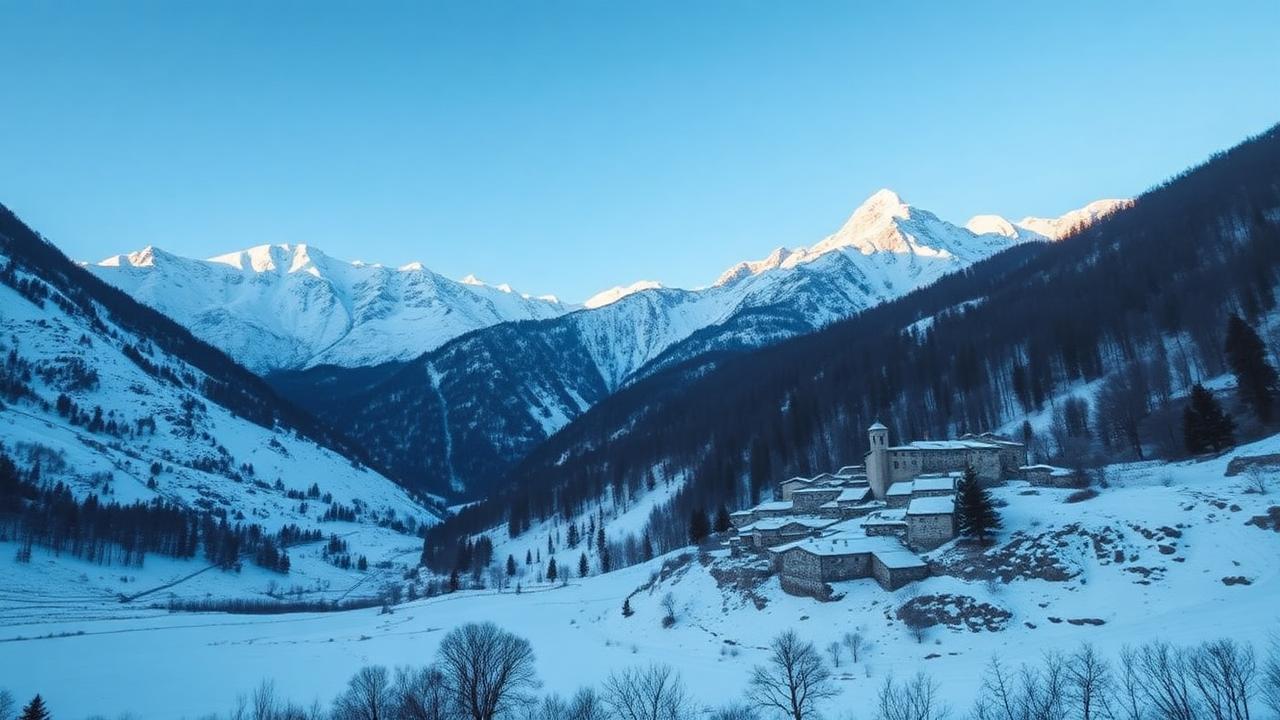
When most travelers think of Albania, they envision the turquoise waters of the Ionian Sea or the sun-drenched beaches of the Riviera. However, visiting Albania in winter offers a completely different perspective on this Balkan gem. From December through February, the country undergoes a dramatic transformation. The rugged peaks of the Albanian Alps are blanketed in thick snow, the Ottoman-era cobblestones of historic cities glisten under soft winter light, and the bustling capital of Tirana takes on a festive, cozy atmosphere.
Winter is arguably the best time for slow travel in Albania. The crowds of the summer high season have long vanished, prices for luxury boutique hotels drop significantly, and the hospitality of the locals becomes even more personal. Whether you are seeking a snowy retreat in the mountains of Korce, a cultural exploration of the UNESCO city of Gjirokaster, or a crisp coastal walk in Sarande, winter reveals a side of the country that remains hidden to the average tourist. This comprehensive guide will explore everything you need to know about planning your winter escape, from weather patterns and equipment to the best seasonal events and destinations.
Winter Weather in Albania
Albania’s geography is diverse, which means winter weather varies significantly depending on whether you are on the coast, in the central plains, or deep in the mountains. The country effectively splits into two climate zones during the colder months.
Coastal Regions and the Lowlands
In coastal cities like Durres, Vlore, and Sarande, winters are mild and rainy. Temperatures rarely drop below freezing, typically hovering between 8°C and 15°C (46°F - 59°F). While it is far too cold for swimming, these regions enjoy many bright, sunny days that are perfect for hiking and sightseeing without the summer heat. This is an excellent time to visit archaeological sites like Butrint, as you can explore the ruins in solitude.
The Interior and Mountainous Highlands
As you move inland toward the east and north, the climate becomes continental. This is where you will find true winter conditions. In cities like Korce and Shkoder, snow is common, and temperatures often drop below 0°C (32°F) at night. In the high-altitude regions of the Valbona Valley and Theth, heavy snowfall usually begins in late November and can last until April, often making remote mountain passes inaccessible to standard vehicles.
| Region | Average Low (°C) | Average High (°C) | Precipitation Style |
|---|---|---|---|
| Tirana (Central) | 2°C | 12°C | Mixed Rain/Sun |
| Korce (Mountains) | -3°C | 5°C | Frequent Snow |
| Sarande (Coast) | 8°C | 16°C | Rain/Cloud |
| Shkoder (North) | 1°C | 10°C | Rain/Snow Mix |
Top Things to Do in Winter
Despite being an off-peak season, there is no shortage of activities. Winter in Albania is about embracing the 'Kulla' (traditional tower house) lifestyle—staying warm by a fire, drinking mountain tea, and enjoying heavy, comforting cuisine.
Discover the Christmas Markets in Tirana
During December, Skanderbeg Square in the heart of Tirana transforms into a festive village. A large Christmas tree is erected, and wooden cabins sell everything from roasted chestnuts to mulled wine and handmade crafts. The nearby Pyramid of Tirana and the brightly lit streets create a vibrant urban energy that rivals many central European capitals.
Experience Snow Sports and Hiking
While Albania is still developing its ski infrastructure, the areas around Voskopoja and Dardha (near Korce) offer excellent cross-country skiing and snowshoeing. For more traditional skiing, many travelers cross the border temporarily to nearby resorts, but the real draw in Albania is winter hiking. A trip to the Llogara Pass offers the unique experience of seeing snow-capped mountains on one side and the deep blue sea on the other.
Relax in Thermal Baths
Winter is the ideal time to visit the Benja Thermal Baths near Permet. The sulfurous waters remain naturally warm year-round. Soaking in these ancient stone pools while surrounded by snow-dusted cliffs is one of the most rejuvenating experiences the country has to offer.
Where to Go: The Best Winter Destinations
Choosing where to go depends on whether you want a "Winter Wonderland" experience or a mild coastal retreat. You can find more inspiration on our seasons page.
Tirana: The Cultural Hub
Tirana is a year-round destination, but in winter, the city’s indoor attractions shine. It is the perfect time to visit BunkArt 1, an massive underground bunker turned museum, or BunkArt 2 near the center. For a quick escape to the snow, take the Dajti Ekspres cable car up to Mount Dajti. Within 15 minutes, you go from the mild city streets to the snowy trails of Dajti National Park.
Korce: The Little Paris of Albania
Korce is widely considered the capital of winter in Albania. Known for its serenades, cobblestone streets, and the Old Bazaar, it feels like a postcard when it snows. It is also home to the largest Orthodox cathedral in the country and excellent local breweries. It is an essential stop for anyone looking for a romantic or cozy winter atmosphere.
Berat: The City of a Thousand Windows
Berat is a UNESCO World Heritage site that is stunning in every season, but the white-washed Ottoman houses look particularly striking against the gray winter sky. The Kala (castle) area remains inhabited, and staying in a guesthouse within the castle walls is a unique way to experience history. The lack of tourists allows you to photograph the famous windows and the Mangalem quarter without crowds. You can view its location on our map.
Gjirokaster: The Stone City
Further south, Gjirokaster offers a dramatic winter landscape. The gray slate roofs of the fortified houses blend into the mist that often rolls off the Drino Valley. Visit the Gjirokaster Castle for panoramic views of the valley, which is often shrouded in a beautiful winter haze.
Winter Festivals and Events
Albania has several significant cultural events during the winter season that provide a deep dive into local traditions.
- National Independence Day (November 28): While technically late autumn, this kicks off the winter season with massive celebrations in Tirana and Vlore.
- Korce Beer Festival (Winter Edition): While the main event is in August, the Old Bazaar often hosts smaller winter festivals featuring local food and live music.
- The Epiphany (January 6): In Orthodox communities, particularly in Sarande and Korce, brave locals dive into cold waters to retrieve a wooden cross thrown by a priest, a tradition believed to bring health and prosperity.
- Dita e Veres (Early Spring/Late Winter): Celebrated on March 14, this pagan holiday marks the end of winter. Nowhere celebrates this better than Elbasan or Tirana, where the city fills with flowers and people eat ballokume (sweet cookies).
What to Pack for Albania in Winter
Packing for Albania in winter requires a layered approach, as you might find yourself in a warm cafe one hour and a windy mountain pass the next. Check our blog for more detailed gear guides.
- Waterproof Outerwear: Especially if visiting the coast or Tirana, a high-quality waterproof jacket is essential for the rainy days.
- Insulated Boots: If you plan on visiting the north or Korce, you will need shoes with good grip and insulation for the snow.
- Smart-Casual Layers: Albanians tend to dress well when going out in the evenings. Pack a nice sweater or coat for dinners in the Blloku district of Tirana.
- Thermal Base Layers: If you intend to hike in Dajti National Park or visit the Alps, thermals are a must.
Sample 7-Day Winter Itinerary
If you are planning a week-long trip, this itinerary balances city life, history, and mountain charm. For more ideas, see our itineraries section.
- Day 1-2: Tirana. Explore Skanderbeg Square, visit the national museums, and take the cable car to Mount Dajti for lunch in the snow.
- Day 3: Kruje. A short trip from the capital to Kruje Castle. The old bazaar here is the best place to buy authentic wool rugs and winter souvenirs.
- Day 4: Berat. Travel south to the city of windows. Spend the evening in a traditional fireplace-heated restaurant in the Gorica quarter.
- Day 5-6: Korce. Head east into the heart of the mountains. Explore the nearby village of Voskopoja and its historic churches.
- Day 7: Durres. Before flying out, visit Durres to see the Roman Amphitheatre and take a brisk walk along the Adriatic coast.
Winter Gastronomy: Comfort Food
Albanian cuisine is at its best when it is cold outside. Winter menus focus on preservation and warmth. You must try:
- Tave Kosi: A baked lamb and rice dish with a yogurt sauce, originating from Elbasan but found everywhere.
- Flija: Layers of crepe-like batter cooked over charcoal, traditionally served in northern regions like Shkoder.
- Byrek: While available year-round, winter fillings often include pumpkin or leek and minced meat.
- Raki: The national drink. Sitting in a small cafe in Gjirokaster sipping a glass of plum or grape raki is the ultimate way to warm up.
Practical Tips for Winter Travel
Traveling during the off-season requires some extra planning. Here are a few things to keep in mind:
Transport and Roads
While main highways between Tirana and major cities like Durres or Vlore are well-maintained, mountain roads can be treacherous. If you are driving to the north or to Korce, ensure your rental car has winter tires and snow chains. Black ice is common in shaded mountain areas.
Opening Hours
Some tourist-centric businesses in coastal towns like Ksamil or Himara close entirely during the winter. However, in the major cities, everything remains open. Museums may have slightly shorter hours, typically closing around 4:00 PM or 5:00 PM.
Heating
Traditional older buildings in Albania were not always built with central heating. When booking accommodation, especially in historic parts of Berat or Gjirokaster, check that the room has an AC unit with a heater or, ideally, a wood-burning stove.
Comparison: Summer vs. Winter in Albania
| Feature | Summer (June-Aug) | Winter (Dec-Feb) |
|---|---|---|
| Crowds | High / Peak | Very Low / Exclusive |
| Pricing | Highest | Lowest / Great Value |
| Main Attraction | Beaches & Swimming | Culture & Snow |
| Temperature | 25°C - 38°C | -5°C - 15°C |
| Best Region | Sarande & Riviera | Korce & Tirana |
Final Tips
- Embrace the Coffee Culture: When it rains or snows, do as the locals do. Albania has one of the highest numbers of coffee shops per capita in the world. Spend your afternoons in a cozy cafe in Tirana.
- Cash is King: While credit cards are becoming more common in the capital, carry plenty of Albanian Lek (ALL) for smaller towns and mountain guesthouses.
- Check Local Guides: If you plan on exploring the Valbona Valley or Theth in winter, always hire a local guide. Trail markings can be hidden by snow, and weather changes rapidly.
- Visit the Museums: Winter is the best time for museum-hopping. You won’t have to wait in line for BunkArt 1 or the National History Museum.
- Stay Flexible: Don't overschedule. A heavy snowfall could delay a bus or make a mountain road slow going. Enjoy the slower pace of life.
- Book Boutique: Take advantage of the low season to book high-end boutique hotels in Gjirokaster or Berat that might be out of budget during the summer months.
Albania in winter is a rewarding destination for the intrepid traveler. By trading the beach for the mountains and the heat for the hearth, you will discover an authentic, hospitable, and breathtakingly beautiful country that most tourists never get to see. Start planning your journey by browsing our destinations or rankings pages today.
Frequently asked questions
- Does it snow in Albania?
- Yes, snow is very common in the mountain regions, particularly in the north and east around Korce and the Albanian Alps. While Tirana and the coast rarely see snow, it is frequent in the highlands from December to March.
- Is Albania worth visiting in winter?
- Absolutely. Winter offers lower prices, no crowds at major sites like Butrint and Berat, and a cozy cultural atmosphere. It is the best time for mountain landscapes and traditional food.
- What is the temperature in Albania during winter?
- The coast stays mild between 8°C and 15°C, while Tirana averages around 10°C. In the mountains, temperatures often drop below freezing (-5°C to 5°C) with significant snowfall.
- Are the Albanian Alps accessible in winter?
- Places like Theth and Valbona are accessible but often require 4x4 vehicles and snow chains. Some high-altitude guesthouses close, so it is essential to book ahead and check road conditions.
- What should I eat in Albania during winter?
- Focus on hearty dishes like Tave Kosi (lamb with yogurt), various types of byrek, and hot mountain tea or raki to stay warm.
- Are tourist sites open in the winter?
- Major museums and UNESCO sites like Gjirokaster and Berat remain open year-round. However, coastal beach bars and some seasonal hotels in Sarande may close for the winter months.