Albania in Autumn: Foliage, Wine & Quiet Beaches

Experience Albania in autumn, from the vibrant foliage of the Accursed Mountains to the quiet, sun-drenched beaches of the Riviera. Discover the best wine, food, and culture.

· 8 min read

Introduction

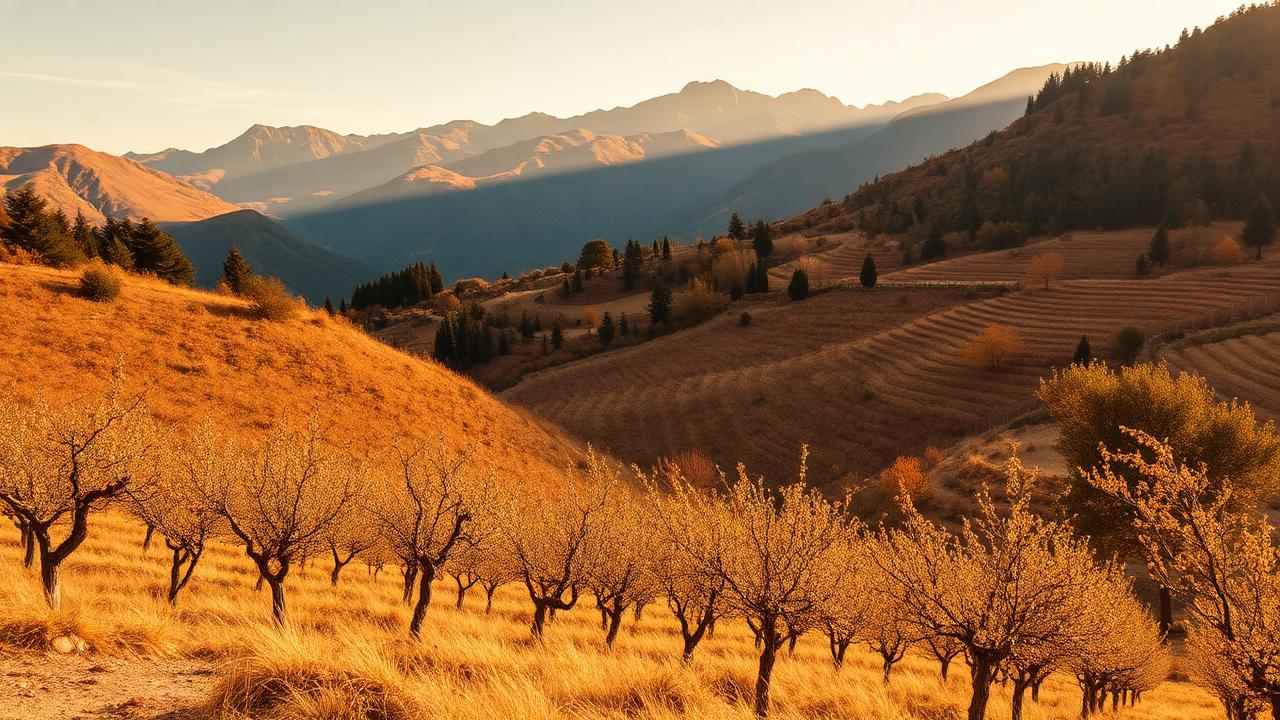
Autumn in Albania is widely considered by locals and seasoned travelers to be the 'Golden Season.' While the months of July and August bring intense heat and crowded shores, September, October, and November offer a sophisticated alternative. As the summer heat fades into a balmy warmth, the country undergoes a dramatic transformation. The jagged peaks of the North turn vibrant shades of amber and ochre, the vineyards in the central plains reach their harvest peak, and the crystalline waters of the south remain warm enough for swimming until late October.

Choosing to visit Albania during this period allows for a deeper, more intentional connection with the landscape and culture. You can wander through ancient stone cities without the midday glare or find solitude on some of Europe's most beautiful beaches. This guide explores the diverse regions of Albania in autumn, from the alpine trails of the north to the wine cellars of the heartland and the quiet turquoise coves of the Ionian coast.

Weather and Climate Patterns

The climate in Albania during autumn varies significantly depending on your altitude and distance from the sea. Generally, the season is characterized by clear blue skies and a gentle cooling trend.

September: The Extended Summer

In many ways, September is the perfect beach month. Coastal temperatures typically hover around 25-28°C (77-82°F), and the Adriatic and Ionian seas retain the heat absorbed during the summer. Rainfall is minimal, and the evening air is pleasant for outdoor dining.

October: Crisp Air and Foliage

October marks the true transition. Inland cities like Tirana experience temperatures between 18-22°C (64-72°F). This is the prime month for hiking in the mountains, as the foliage reaches its peak intensity and the air is remarkably clear.

November: The Rainy Season Begins

By November, the Mediterranean rains begin to arrive with more frequency. While daytime temperatures remain mild compared to Northern Europe (13-17°C), the humidity increases. This is the best time for cultural exploration in museums like Bunk'Art 1 or exploring the historic bazaar of Kruje.

RegionAvg. Temp (Oct)Main Attraction
Northern Alps10°C - 16°CHiking/Foliage
Central Cities16°C - 21°CCulture/Gastronomy
Southern Riviera19°C - 24°CQuiet Beaches

The Northern Alps: A Symphony of Color

The most dramatic autumn scenery is found in the [Prokletije] (Accursed Mountains). In the remote villages of Theth and Valbona Valley, the deciduous forests turn brilliant shades of red and gold against the limestone cliffs.

Hiking the Valbona to Theth Trail

This iconic mountain pass is best hiked in late September or early October. During the summer, the heat and lack of shade on the ascent can be grueling. In autumn, the cool breeze makes the climb far more manageable. However, travelers should note that the guesthouses in these remote areas often begin to prepare for winter closure by late October, so early autumn visits are essential.

Shkoder and Lake Shkoder

The gateway to the north, Shkoder, becomes a hub of activity as shepherds bring flocks down from the high pastures. Cycling around the lake in the autumn sun allows you to see migratory birds that stop here on their way south. The Rozafa Castle offers panoramic views of the changing landscape where the Drin and Buna rivers meet.

Cultural Heritage in Berat and Gjirokaster

Autumn is the ideal time to visit Albania’s UNESCO World Heritage cities. These "stone cities" can be difficult to navigate in the 40°C heat of August, but in October, they are perfect for exploration.

Berat: The City of a Thousand Windows

In Berat, the autumn light hits the white Ottoman houses at an angle that is a photographer's dream. Beyond the architecture, autumn is harvest time. The surrounding hills are full of olive groves and vineyards. Visiting a local winery like Çobo or Kantina Alpeta allows you to see the production process in full swing.

Gjirokaster: The Stone City

The steep, cobblestone streets of Gjirokaster are much easier to traverse in cooler temperatures. The town is famous for its autumn produce, particularly the various types of mountain tea (Çaj Mali) and local preserves. A visit to the Gjirokaster Castle provides views across the Drino Valley, which is often carpeted in morning mist during the autumn months.

The Albanian Riviera: Peace on the Coast

For those who find the summer crowds of Sarande and Ksamil overwhelming, autumn is a revelation. The "shoulder season" officially ends in mid-September, meaning that by October, you can have world-class beaches almost entirely to yourself.

Quiet Coastal Gems

In Himara and Dhermi, the beach clubs stop playing loud music, and the rhythm of life slows down. Many cafes remain open, serving fresh catches of the day. The water remains warm (roughly 22°C) well into October.

Exploring Ancient Ruins

Autumn provides the perfect climate for visiting Butrint. This sprawling archaeological park is located in a humid marshland area; visiting in summer can be hot and buggy. In autumn, the shade of the ancient eucalyptus and oak trees is refreshing, and the lack of crowds allows for a silent, meditative exploration of the Roman and Byzantine ruins.

Harvest and Wine Tourism

Albania has an ancient winemaking tradition that is currently undergoing a massive resurgence. Autumn is the heart of the wine season.

The Korce Region

Located on a high plateau, Korce is known as the "Paris of Albania." It becomes particularly romantic in autumn with its tree-lined boulevards and the smell of roasting chestnuts and lakror (a traditional pie) in the air. The nearby village of Voskopoje offers stunning medieval churches surrounded by autumnal forests.

Durres and Coastal Vineyards

The hills around Durres are home to some of the country's most famous wineries. Since the city is a major port, it remains active year-round, unlike some of the smaller seasonal beach towns. It is a fantastic base for combining history at the Roman Amphitheatre with wine tasting in the countryside.

Tirana: The Urban Autumn Experience

The capital city Tirana finds its second wind in autumn. Students return to the universities, and the city’s cultural calendar is packed with events.

Dajti National Park

A quick ride on the Dajti Ekspres cable car takes you to Dajti National Park. Looking down from Mount Dajti, you can see the entire city framed by the changing colors of the mountain slopes. It is several degrees cooler at the top, making it a favorite weekend escape for locals.

City Parks and Landmarks

For a relaxing afternoon, walk through Grand Park Tirana near the Artificial Lake. The Pyramid of Tirana and Skanderbeg Square are also more enjoyable to visit when you aren't seeking shade every few minutes. If the rain does start, the city’s museum scene, including Bunk'Art 2, offers deep dives into the country’s complex history.

A Sample 7-Day Autumn Itinerary

If you are planning an autumn trip, this route balances mountain scenery, historic cities, and the coast.

  • Day 1-2: Tirana. Explore the museums and take the cable car to Mount Dajti. Enjoy the nightlife in the Blloku district.
  • Day 3: Kruje and Shkoder. Visit the Kruje Castle and the Old Bazaar before heading north to Shkoder to watch the sunset from Rozafa Castle.
  • Day 4: Berat. Drive south to the City of a Thousand Windows. Spend the evening tasting local wines and olives in the Mangalem district.
  • Day 5: Llogara Pass to Himara. Drive over the dramatic Llogara Pass. The views of the turquoise Ionian sea meeting the amber mountainside are incomparable.
  • Day 6: Butrint and Sarande. Explore the ancient ruins of Butrint in the morning and enjoy a quiet seafood dinner in Sarande.
  • Day 7: Gjirokaster. Journey to the Stone City to explore the Ottoman houses and the bazaar before returning to Tirana or departing via Corfu.

Check our itineraries page for more detailed route planning.

Practical Tips for Autumn Travel

What to Pack

Layering is essential. Mornings and evenings can be quite cool, especially in the mountains or stone cities, while the sun remains strong during the day.

  • A medium-weight waterproof jacket.
  • Comfortable walking shoes with good grip for slippery limestone streets.
  • Swimwear (the sea is often warmer than people expect).
  • High-SPF sunscreen (the autumn sun is deceptive).

Transport and Logistics

Driving in Albania is the best way to see the diverse landscapes. In autumn, you won't face the heavy traffic jams common on the coastal road during August. Many seasonal bus routes (furgons) may reduce their frequency in late October, so check local schedules or consider a rental car.

Pricing and Availability

You can expect prices for accommodation to drop by 30-50% compared to July and August. You often don't need to book far in advance, allowing for more spontaneous travel. However, keep in mind that some boutique hotels in very seasonal beach spots might close by the end of October.

Final Tips

Traveling to Albania in autumn offers a rare combination of Mediterranean warmth and spectacular mountain transformations. For the best experience, aim for the window between September 15th and October 20th. This period avoids the summer heat but stays ahead of the heavier November rains. Focus on the central and southern regions for wine and beaches, while keeping the northern mountains as your priority for early October foliage. Whether you are sipping Kallmet wine in a Berat garden or hiking the misty trails of Theth, the quietude and authenticity of the season will undoubtedly make it your favorite time to visit. For more information on peak travel times, see our seasons overview or explore our beaches guide for specific coastal recommendations.

Frequently asked questions

Can you still swim in Albania in October?
Yes, the Ionian Sea in Southern Albania typically stays warm enough for swimming until late October, with water temperatures averaging around 20-22°C.
Is everything open in Albania during the autumn?
Most major attractions and city hotels remain open year-round, though some seasonal beach clubs and remote mountain guesthouses in Theth may close by late October.
When is the best time for autumn foliage in the Albanian Alps?
The peak of the autumn colors in the Northern Alps, specifically Theth and Valbona, usually occurs during the first two weeks of October.
What should I pack for Albania in October?
Layers are key. Bring light clothing for warm days, a medium jacket for cool evenings, and a waterproof shell in case of autumn rain showers.
How is the driving in Albania during the autumn?
Driving is much easier in autumn than in summer because coastal traffic is significantly lighter, though you should be careful of falling leaves or mist on mountain passes.
Are there wine festivals in Albania during autumn?
Yes, many wineries near Berat, Durres, and Korce celebrate the grape harvest in September and October with tastings and local cultural events.

Related articles